Mgtr. Ing. CIP Johnny D. Chirinos CMRP MLE, March 4, 2026 | Tribology goes beyond a simple technical discipline to become a strategic, essential component of modern industrial asset management. Under the ICML 55.1 standard framework, this science—focused on the study of friction, wear, and lubrication—emerges as a fundamental pillar whose practical application enhances operational performance, maximizes equipment life, and significantly reduces maintenance costs.
In this article, I will walk you through the ways that tribology impacts asset performance and operational reliability, illustrated with real-world examples from mining, oil and gas, cement, and automotive operations. You will see how, when aligned with ICML 55.1 standards, tribology becomes a cornerstone of industrial asset management, driving both technical and economic outcomes.
Understanding Tribology
To begin, let’s clarify what tribology encompasses. At its essence, tribology scientifically examines three fundamental phenomena that affect any system with moving parts: friction, wear, and lubrication.
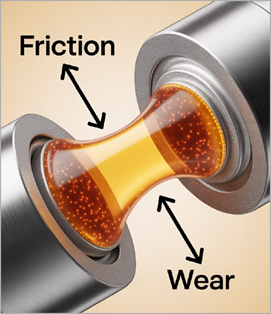
- Friction is the resistance to movement between surfaces in contact, and it’s a major driver of energy consumption in industrial equipment.
- Wear represents the progressive loss of material from surfaces, which determines the useful life of components and equipment.
- Finally, lubrication involves optimization of fluids and methods to reduce friction and wear, ensuring efficiency and extending asset life.
When applied properly, tribology allows us to significantly reduce failures, improve energy efficiency, and extend the useful life of physical assets in industrial environments. The discipline is not theoretical; it has measurable, tangible impacts on industrial operations.
ICML 55.1® Standard: From Technical Task to Strategic Decision
The ICML 55.1 Standard transforms our understanding of lubrication. Published by the International Council for Machinery Lubrication, it provides a structured framework of requirements specifically for creating world-class lubrication programs that maximize the value of physical assets throughout their life cycles while aligning with ISO 55000 asset management principles. By integrating technical, organizational, and economic aspects, the standard addresses not only program design, but also personnel roles and competencies, technology integration, risk management, the establishment of key performance indicators, and more.
This strategic approach ensures that lubrication is no longer an isolated technical task; rather, it becomes a data-driven business decision. Organizations that follow the ICML 55.1 Standard do not just lubricate equipment—they optimize asset performance, reduce costs, and align lubrication practices with broader organizational objectives.
Tribology as a Strategic Axis in Maintenance
When we think about maintenance, we often focus on repairs and replacements. Tribology shifts that perspective. Imagine a pyramid of hierarchical value: at the base, we have condition monitoring (CBM), detecting anomalies in early stages through analysis of in-service lubricants. The next level involves reduction of wear-related failures, lowering the frequency of breakdowns caused by friction. Once we have implemented CBM and made some progress reducing failures, we start to see the extension of useful service life, enhancing the durability of components and systems. Finally, at the top of the pyramid we achieve the optimization of operating costs and enjoy the reduction of energy use, spare parts consumption, and maintenance expenses.
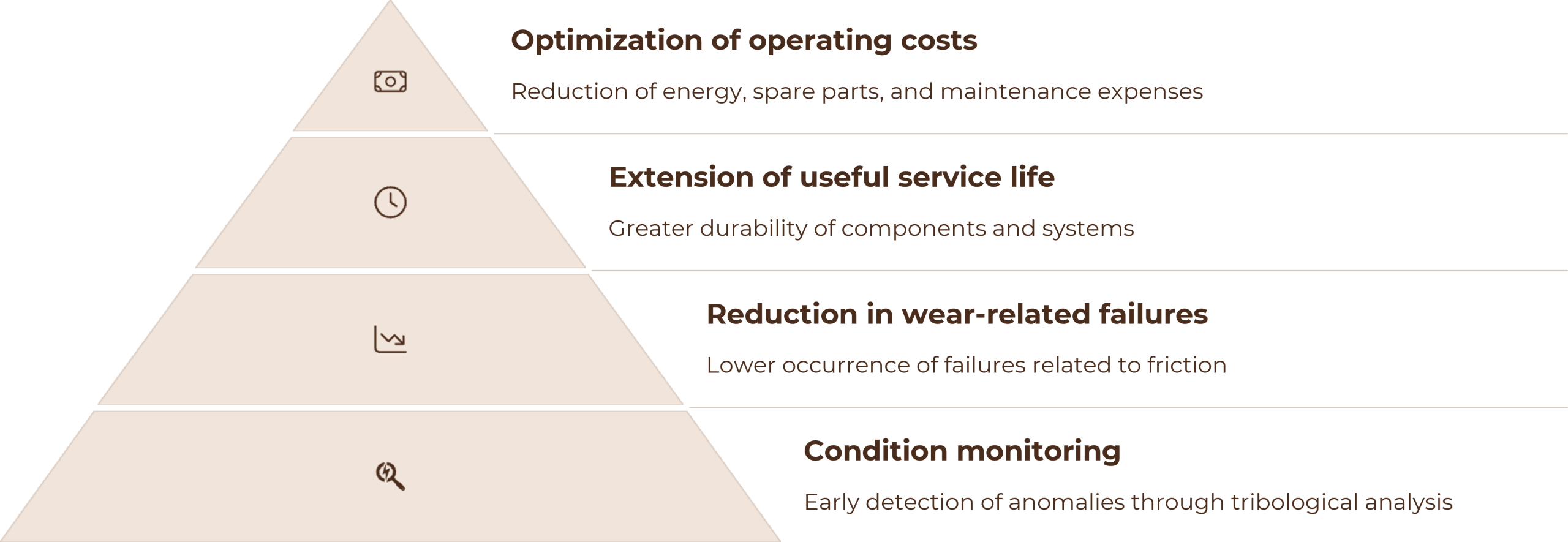
Diagram 1: Pyramid showing the strategic benefits of the practical application of tribology—from condition monitoring at the base to cost optimization at the top.
Through this lens, tribology goes beyond the purely technical scope to become a strategic enabler in modern asset management. Under the ICML 55.1 framework, this discipline enables a proactive, data-driven approach to optimize performance and availability of industrial equipment.
Measurable and Sustainable Application of Tribology Across Assets
Tribology is relevant across all types of industrial equipment. In rotating machinery, it controls friction, heat, and wear in moving components. For heavy machinery, it optimizes lubrication in hydraulic systems, gearboxes, and bearings. Even the broader infrastructure can benefit, as tribology helps protect systems such as HVAC units, structural hydraulics, and lifting mechanisms.
The ICML 55.1 Standard enables integration of lubrication management into overall asset management. It’s not merely about technically keeping machines running; it’s about making informed, data-driven business decisions that directly affect availability, reliability, and profitability of lubricated physical assets.
Business decisions can benefit from tribology because its impact on the operational reliability of industrial systems is real and measurable. Lubrication management directly influences how equipment behaves over time, and under what conditions. These conditions, in turn, inform the level and depth of maintenance response, measurable through labor and parts expenses, as well as observable trends in mean time between failures (MTBF) and mean time to repair (MTTR). Maintenance performance and scheduling, in turn, impact the availability and reliability of equipment, while the quality of the maintenance work itself directly affects the likelihood of future recurrence—thus affecting operational and business outcomes in both the short- and long-term. Ultimately, these outcomes lead to consequences for the lubrication strategy itself through continuous refinement of priorities, budgeting, training, tools, etc. All of this is measurable.
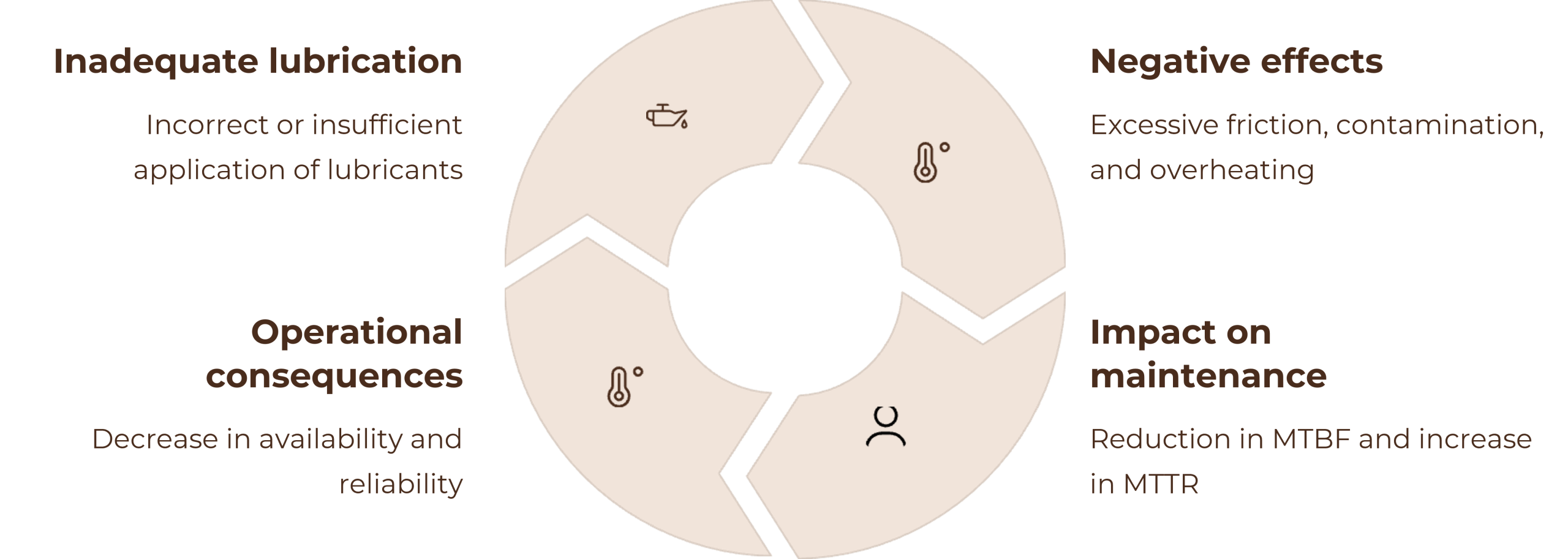
Diagram 2: The Sustainable Lubrication Cycle is a dynamic feedback loop where every decision in one component influences all the others, driving either degradation or continuous improvement.
Case Studies in Industrial Tribology
Let’s look at some examples that illustrate how the effective application of tribology drives results.
In the Chilean mining industry, the maintenance team at a copper concentrator plant learned that over 30% of failures in their vertical pumps could be traced to contaminated or improperly applied lubricants. By completely redesigning the lubrication program under ICML 55.1 requirements—with emphasis on contamination control and precise application—the plant achieved a 19% increase in equipment availability, saving $280,000 USD annually due to reduced replacement of parts and fewer unplanned shutdowns.
In a Peruvian polymetallic mining operation, water pumps suffered from high replacement rates due to persistent contamination in lubrication systems, thus generating high maintenance costs and affecting availability of critical equipment. The solution was to introduce a predictive asset performance management (APM) system supplemented by advanced oil analysis, working together to detect ferrous microcontaminants before they could cause significant damage. The APM used deep learning models specialized in pattern recognition to detect anomalies in oil analysis data, predicting failures up to three weeks in advance. This approach reduced total repair costs by 35% in the first year while substantially improving reliability of critical pumping systems.
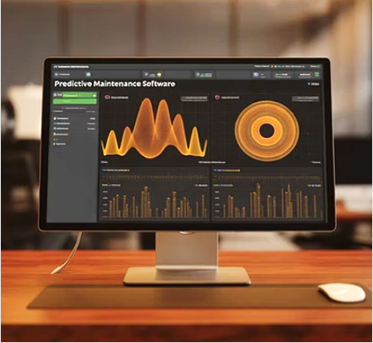
In Brazil’s oil and gas sector, another company implemented a full ICML 55.1 lubrication program, taking the opportunity to introduce IoT sensors and AI technology. Real-time monitoring and predictive analysis of critical system parameters such as viscosity, total base number (TBN), and particle counts allowed for predictive maintenance interventions, resulting in a 48% reduction in emergency shutdowns of critical compressors and thus improving machinery asset availability and reliability
Tribology in the Asset Lifecycle
The ICML 55.1 Standard states that an effective tribology program influences multiple economic aspects of an asset’s lifecycle. In a thermal generation plant that we support, enhancements in the lubrication program reduced corrective maintenance costs for turbines by 26%, while delivering measurable benefits across operating costs, downtime, component replacement, and energy consumption.
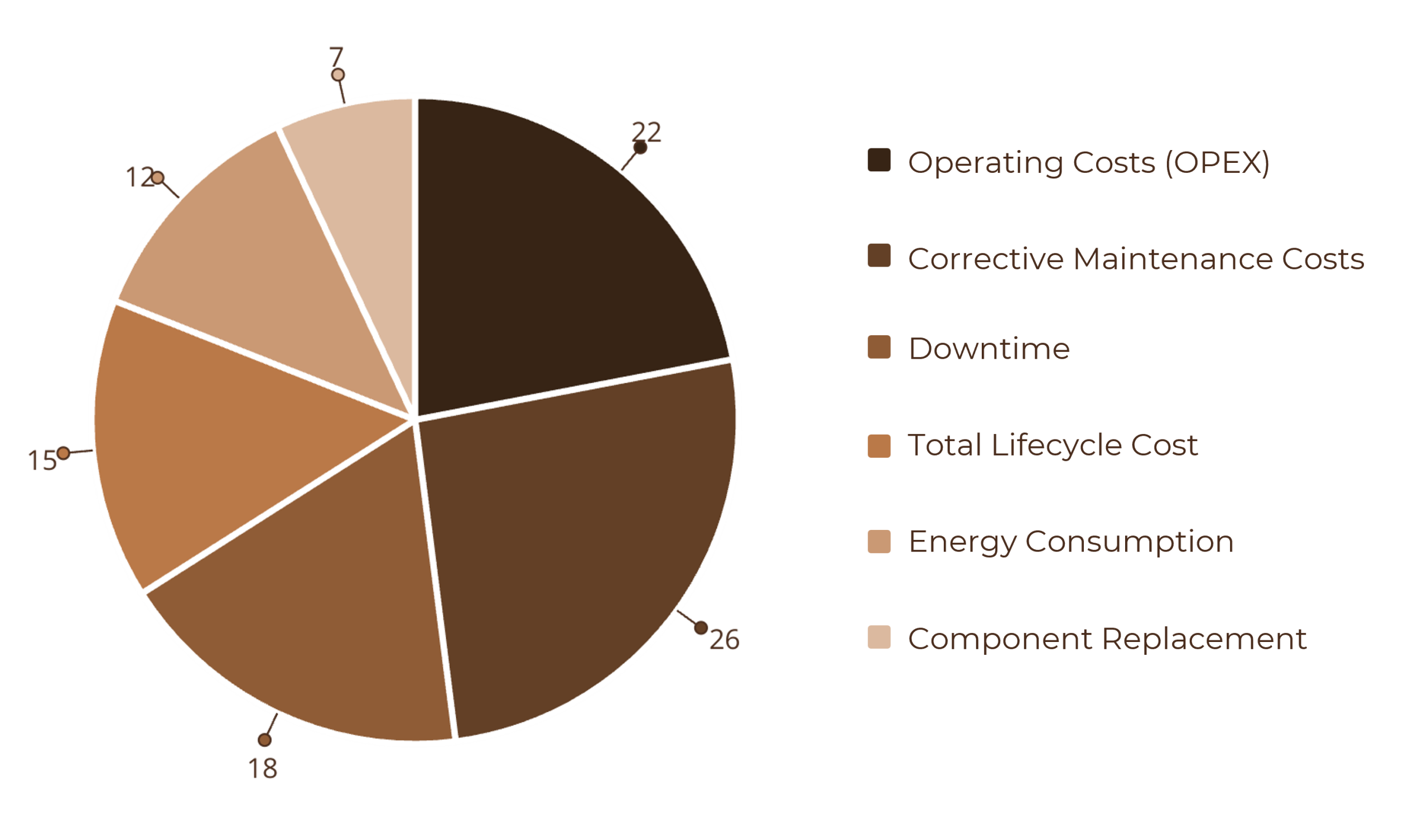
Diagram 3: Distribution of maintenance expenses after implementing a lubrication program. Such visualizations help management teams optimize budget allocations.
Once again, implementing advanced practices per the requirements of ICML 55.1 enables a facility to optimize total asset investments over their lifetimes, maximizing return and improving operational sustainability.
Meanwhile, proper training and certification can optimize lubrication personnel, empowering them to make intentional, informed decisions that contribute to continuous improvement.
Economic and Environmental Benefits: Brazil Automotive Case Study
This ICML 55.1 optimization can certainly manifest itself in tangible economic and environmental benefits, too, such as reductions in corrective maintenance costs, lower energy consumption due to reduced friction, extended life of critical components, and minimization of unplanned downtime. Return on investment from these programs is typically high and rapid, often under one year.
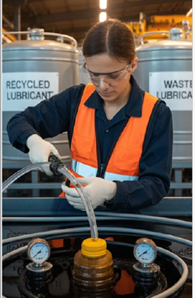
Another client—a transmission production plant in the Brazilian automotive industry—illustrates such benefits vividly. They implemented a comprehensive lubrication program, including reformulation of cutting fluids with extreme pressure (EP) additives, introduction of a 3-micron filtration system, and online monitoring of lubrication conditions.
These measures reduced production waste by 38%, cut tool consumption by 45%, reduced unplanned downtime by 60%, and increased productivity by 22%. Furthermore, they tracked success with several KPIs:
- The Lubricant Contamination Index (LCI), which measures particles per milliliter according to ISO 4406, confirmed they reached their target of fewer than 3,000 particles >4μm.
- The Specific Wear Rate (SWR), which quantifies the rate at which material is lost due to normal wear, reflected a 65% reduction as measured in mg/kWh of operation.
- Tribological Energy Efficiency, which measures energy losses caused by friction, reflected 8-12% reduction of energy consumption.
Conclusion: Predictive Transformation, Comprehensive Optimization, and Technological Evolution
In practice, tribology has evolved from a specialized technical discipline into a fundamental, strategic component of modern industrial performance. When applied properly with support from global standards such as ICML 55.1, it transforms physical asset maintenance into a predictive, reliable, and profitable process readily reflected in performance outcomes.
Furthermore, applying tribological knowledge in combination with modern AI technologies expedites the shift from reactive maintenance to predictive, data-driven asset management that is aligned with ISO 55001 and industry best practices.
Organizations that embrace tribology and implement advanced lubrication programs achieve longer asset and infrastructure life, higher operational efficiency, measurable economic benefits, lower risk of catastrophic failures, and a pathway toward a future of sustainable, high-performance industrial operations.